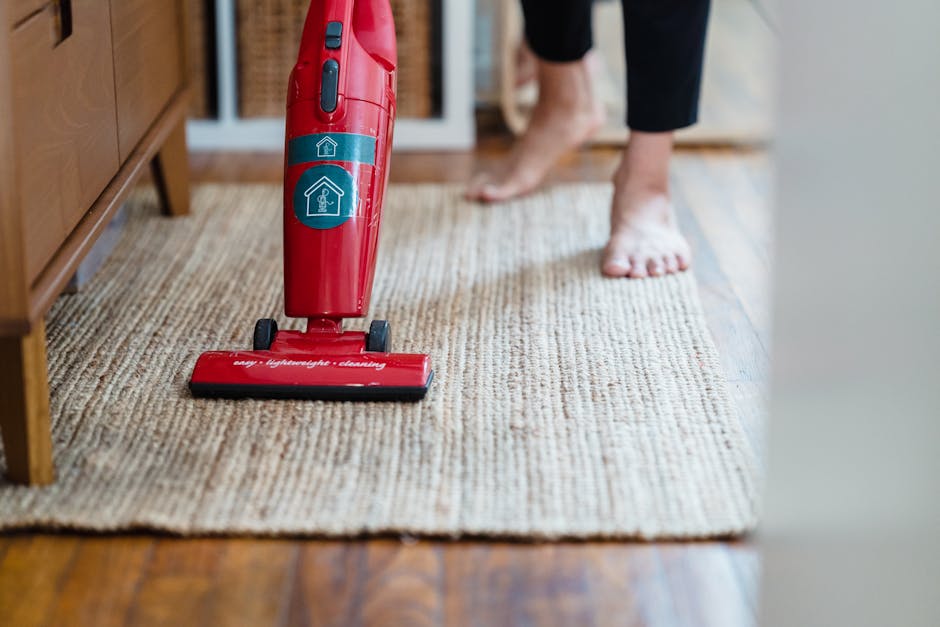
Petersham Road carpet cleaning guide for period homes
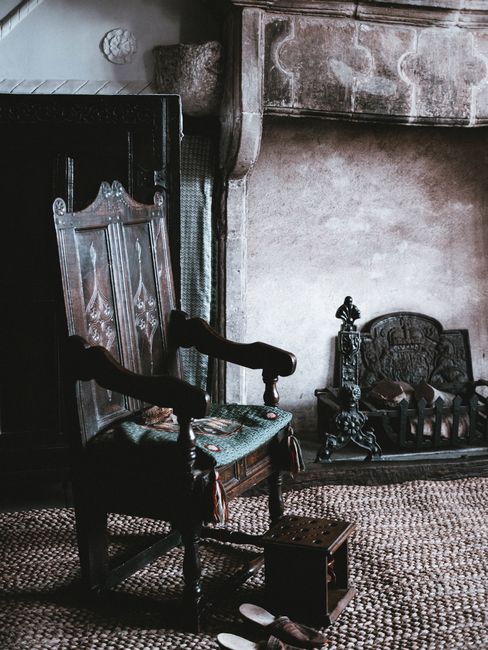
If you live in a period property near Petersham Road, you already know the carpets are doing more than covering a floor. They soften footsteps on old boards, help hold warmth in rooms that can feel draughty by late afternoon, and quietly carry the story of the house. That is exactly why a Petersham Road carpet cleaning guide for period homes needs to be a little more careful, a little more considered, and a lot more practical than a generic cleaning checklist.
Old houses can have fragile underlay, mixed fibres, awkward stair layouts, and the occasional mystery stain that has survived three paint colours and a decade of foot traffic. So let's get into what really works: how to clean period-home carpets safely, how to protect delicate materials, what to avoid, and when to bring in a specialist. You will get clear steps, sensible comparisons, and the kind of advice that helps you make a good decision without overthinking it. Because honestly, carpets in these homes can be fussy.
Why Petersham Road carpet cleaning guide for period homes Matters
Period homes ask more of a carpet than newer properties do. Floors may be uneven, ventilation can be limited, and the carpet itself might be wool, wool-rich, sisal-blend, or installed over an older subfloor that does not love excess moisture. That changes everything. A good clean should improve the room, not leave you with rippling edges, musty smells, or a patch that dries in a funny way and never quite looks right again.
In homes around Petersham Road, the usual problems are familiar: winter mud dragged in from the street, dust settling faster in rooms with old cornices and timber boards, pet traffic, tea spills, and traffic lanes along hallways and stairs. Period interiors also tend to show wear more clearly because the details are finer. A slightly flattened hallway carpet can look tired very quickly, even if the rest is fine.
There is also the matter of value. Keeping carpets clean is not only about appearance. It helps reduce grit abrasion, which is one of the main reasons fibres wear down. That matters in older houses where replacing fitted carpet can be costly and, frankly, a bit of a project. Clean carpets also make rooms feel lighter and more cared for, which is no small thing when the property has character.
Expert summary: The safest carpet clean for a period home is the one that respects the fibre, the backing, the subfloor, and the drying time. If any one of those is rushed, the result can be disappointing.
How Petersham Road carpet cleaning guide for period homes Works
The process is less about one magic method and more about choosing the right sequence. Good cleaning starts with inspection, not equipment. You identify the fibre type, check for wear, test for colour stability, and look at how the carpet is fixed. Is it fitted wall to wall? Is it a loose rug? Is there underlay that feels thin or damp? These small details decide everything else.
For most period homes, the work typically follows a steady rhythm: dry soil removal, stain assessment, fibre-safe pre-treatment, controlled cleaning, careful moisture management, and proper drying. Simple enough on paper. In practice, each step needs a bit of judgement.
Some homes respond well to low-moisture maintenance cleaning, especially where the carpet is sensitive or the room is difficult to ventilate. Others can handle a more thorough deep clean, provided the equipment and technique are adjusted correctly. The trick is to avoid soaking the carpet or leaving residue behind. Over-wetting is where many problems begin, especially in older houses with timber floors and less predictable airflow.
If you are comparing professional approaches, it helps to understand the difference between a standard clean and a more targeted method. You can look at broader carpet services through professional carpet cleaning or decide whether a more moisture-controlled approach is better by reviewing steam carpet cleaning. The right choice depends on fibre type, room use, and how delicate the setting is.
Key Benefits and Practical Advantages
A thoughtful clean does a lot more than make a carpet look brighter for a day or two. The gains are practical and, in period homes, often quite noticeable.
- Better appearance: Traffic lanes fade, colours look more even, and patterns stop looking dulled by surface grit.
- Longer carpet life: Removing abrasive dirt helps preserve fibres, especially in hallways and stairs.
- Improved indoor feel: Rooms can smell fresher and feel less dusty, which is welcome in older properties.
- Reduced stain setting: Fresh spills are less likely to become permanent marks if treated early.
- Safer walking surfaces: Clean, well-dried carpets are less likely to feel sticky or uneven underfoot.
- Better room presentation: Helpful if you are renting out a period home, selling, or just trying to keep the place properly looked after.
There is a subtle benefit too. A clean carpet changes the way a room feels at the end of the day. You notice it when the late light hits the hallway and the fibres look soft again rather than grey and tired. It is a small thing, maybe, but not really.
For delicate upholstery or nearby soft furnishings, it can also make sense to clean the whole room as one system. A carpet clean paired with upholstery cleaning or curtain cleaning tends to create a more balanced result, especially in drawing rooms and bedrooms where dust settles into everything.
Who This Is For and When It Makes Sense
This guide is especially useful if you live in a Victorian, Edwardian, Georgian, or late-20th-century home with original-feeling features and a bit of age under the surface. But even a charming, well-kept maisonette can present period-style quirks. Think narrow stairs, older floorboards, uneven thresholds, and rooms that trap moisture after cleaning if the windows are shut. You get the picture.
It makes sense to prioritise professional carpet care when:
- the carpet is wool or wool-rich and you are unsure about DIY cleaning;
- the house has old timber floors underneath and you want to avoid excess moisture;
- there are stairs or landings with high foot traffic;
- pets, children, or heavy use have created persistent odour or stain issues;
- the room contains fragile furniture that makes access awkward;
- you are preparing the property for guests, tenants, or sale.
Truth be told, some people wait too long because the carpet still "looks okay" in daylight. Then the grime becomes obvious once a side lamp is switched on, or you move a chair and see the shape of the traffic pattern. That moment is always a little sobering.
If pet mess is part of the story, it is worth looking at pet stain and odour removal alongside the carpet clean. Odour can sit deeper than the visible stain, especially in older homes where fibres have had time to hold on to everything.
Step-by-Step Guidance
Here is the cleanest way to approach carpet care in a period home without getting carried away.
1. Inspect the carpet and the room
Check fibre type, pile direction, visible wear, and any stains that might be water-sensitive. Look at the edges near skirting boards and under furniture. If the carpet is fitted over old boards, note any places where the floor flexes or sounds hollow.
2. Remove dry soil first
Vacuum slowly and thoroughly. In older homes, dust and grit build up in corners and along stairs. Do not rush this part. It sounds basic, but it is the stage that protects the fibres most.
3. Test any treatment in a hidden area
Before using a spot cleaner, test it where a small change will not matter. This matters more on dyed or natural-fibre carpets, where colour response can be unpredictable.
4. Pre-treat stains carefully
Use a stain approach that matches the stain type. Greasy marks, wine, tea, makeup, pet accidents, and mud all behave differently. A one-size-fits-all product is usually a bad idea.
5. Clean with controlled moisture
Use the least aggressive method that still does the job. In many period properties, that means avoiding heavy saturation and keeping cleaning strokes even. If a section is stubborn, treat it again rather than flooding it.
6. Speed up drying
Open windows where appropriate, improve airflow, and keep people off the carpet until it is properly dry. A damp carpet in an older house can hold a stale smell very quickly. Not ideal at all.
7. Finish with a final check
Look for tide marks, colour changes, residue, or areas that dried more slowly than expected. If the carpet is in a hallway or on stairs, check the edges carefully because those are the first places to show problems.
If you would rather not manage all that yourself, a reputable professional should be able to handle the inspection, identify the fibre, and choose the method accordingly. For more general service support, you can also review steam carpet cleaning and rug cleaning where needed for loose floor coverings.
Expert Tips for Better Results
A few small habits make a surprisingly big difference. In our experience, this is where homeowners save themselves hassle later.
- Vacuum slowly, not once quickly: Two careful passes beat one rushed sweep every time.
- Deal with spills early: Fresh tea or coffee is always easier than a set-in patch near the sofa.
- Keep shoes off in the worst-traffic areas: Hallways and stairs take the most damage, especially in wet weather.
- Watch the drying room: If the room feels stuffy, drying will be slower than you want.
- Match the method to the carpet: Wool, synthetic, and natural fibre each behave differently.
- Use less product than you think: Residue attracts dirt. That is a real annoyance, by the way.
One thing people often miss: the carpet may be fine, but the rest of the room is feeding the dust problem. Curtains, sofas, and mattresses collect the same airborne debris, especially in older homes with original window frames or open fireplaces. A broader soft-furnishing refresh can help the room stay cleaner for longer. Consider sofa cleaning or mattress cleaning if the room is feeling generally tired rather than just the carpet itself.
Common Mistakes to Avoid
Most carpet problems in period homes come from good intentions taken a bit too far.
- Over-wetting the pile: This can lead to long drying times, wicking, and unpleasant smells.
- Scrubbing too hard: It lifts pile and can damage delicate fibres.
- Using the wrong cleaner: Strong chemicals can bleach or flatten some carpets.
- Ignoring the underlay: If moisture reaches old underlay, you may create a bigger problem than the stain.
- Cleaning only the visible mark: Stains often spread beyond the obvious edge once moisture moves through them.
- Putting furniture back too soon: Heavy legs can leave marks or transfer rust and dye onto damp fibres.
A slightly odd one, but worth saying: do not assume "dry to the touch" means the carpet is fully dry. In older homes, the surface can feel fine while the backing still holds moisture. That gap catches people out.
If the issue is a stubborn stain rather than general soil, it may be better to treat it as a stain-removal job instead of a standard clean. See stain removal for the kind of situations that need more targeted attention.
Tools, Resources and Recommendations
You do not need a van full of kit to keep period-home carpets in decent shape. You do need the right basics.
| Tool / Approach | Best For | Why It Helps in Period Homes |
|---|---|---|
| Quality vacuum with adjustable height | Weekly maintenance | Protects pile while removing grit from old floors and skirting edges |
| Microfibre cloths | Fresh spills | Gentle on fibres and good for controlled blotting |
| Fibre-safe stain treatment | Targeted spots | Lets you treat tea, wine, or mud without aggressive scrubbing |
| Airflow / fans | Drying support | Speeds drying and reduces stale odours in older rooms |
| Professional inspection | Delicate, antique, or wool carpets | Helps avoid moisture and fibre damage |
If you are booking help rather than doing it yourself, look for a provider that talks plainly about fibre types, drying time, and insurance. That sounds obvious, but it is easy to be dazzled by a quick promise and miss the important bits. You may also want to check insurance and safety before any work is done in a home with fragile finishes or valuable furnishings.
For practical planning, pricing and quotes can help you compare the cost of a one-off deep clean with a more regular maintenance approach. And if you want to understand what the company says about standards and approach, their about us page is usually a sensible place to start.
Law, Compliance, Standards, or Best Practice
For domestic carpet cleaning, there usually is not one single legal rule that tells you exactly how to clean a carpet in a period house. But there are still important expectations around safe work, clear communication, and care with products and equipment. In the UK, best practice generally means using appropriate cleaning methods, handling chemicals safely, and avoiding damage to the property or the people in it.
If you hire a contractor, sensible checks include whether they carry suitable insurance, whether they explain drying times honestly, and whether they are clear about any risks to old flooring, dyed fabrics, or natural fibres. Period homes often need a more cautious approach than modern flats, simply because there is less margin for error.
It is also reasonable to expect proper housekeeping during the job: protecting doorways where needed, working cleanly, and leaving the room in a usable state. That is not "extra". It is basic professionalism. If a company has a written health and safety policy and clear terms and conditions, that generally gives you a better sense of how they work day to day.
And if sustainability matters to you, especially in a home you are carefully restoring or maintaining, it is fair to ask about waste handling and product choices. A sensible provider should be able to discuss recycling and sustainability in plain English, not just as a buzzword. Little details like that matter more than people think.
Options, Methods, or Comparison Table
Not every carpet in a period home needs the same treatment. Here is a straightforward comparison of the common options.
| Method | Strengths | Trade-Offs | Best Use in Period Homes |
|---|---|---|---|
| Vacuum-only maintenance | Fast, safe, low-risk | Does not remove deep staining | Weekly upkeep and light dust control |
| Spot treatment | Targets isolated stains | Can leave marks if the wrong product is used | Fresh spills and small localised issues |
| Low-moisture professional cleaning | Gentle, controlled drying | May need more than one pass for heavy soil | Wool carpets, older subfloors, delicate rooms |
| Steam carpet cleaning | Deep soil removal and refreshed appearance | Needs careful moisture control | Hard-wearing fitted carpets with manageable drying conditions |
There is no universal winner. If your hallway carpet is sturdy and heavily used, steam or hot-water extraction may be the right call. If your sitting room carpet is older, lighter, or sitting over vulnerable flooring, a more restrained method may be wiser. That judgement is what separates decent results from annoying ones.
If you are comparing room-by-room cleaning, loose pieces such as runners or antique-style pieces may also benefit from rug cleaning, because rugs often need a gentler approach than fixed carpet.
Case Study or Real-World Example
Imagine a typical Petersham Road home: a hallway with a patterned wool carpet, a front room that gets afternoon light, and a staircase that sees boots, school shoes, and the occasional muddy dog. The carpet looks decent at first glance, but once you kneel down near the tread edge, you can see the fibres are duller in a clear path from the front door to the back rooms.
A sensible approach here would not start with the strongest cleaner on the shelf. It would start with a slow vacuum, then a fibre test, then careful pre-treatment on the hallway traffic lane. If there were old tea marks in the sitting room and a faint pet smell near the radiator, those would be dealt with separately rather than all at once. That is the key. Different problems, different treatments.
The result after a proper dry and a careful reset of the furniture? The hallway looks brighter, the sitting room feels less dusty, and the whole property has that quiet, cared-for feel that period homes do so well. Nothing flashy. Just better.
That example may sound simple, but in real life it saves a lot of frustration. The room looks cleaner because the work respected the room itself. It's a small distinction, but it matters.
Practical Checklist
Use this before, during, or after cleaning a period-home carpet.
- Identify the carpet fibre if you can.
- Check whether the carpet is fitted, loose, or stair-bound.
- Vacuum thoroughly before any wet cleaning.
- Test cleaning products in a hidden area.
- Use the mildest effective method first.
- Keep moisture under control, especially over old flooring.
- Allow proper drying time and airflow.
- Do not replace furniture until the carpet is fully dry.
- Treat pet odours and stains separately if needed.
- Inspect edges, corners, and stair noses once dry.
That is the shortlist. If you do only one thing, make it the drying step. Everything else can be corrected more easily than a damp, overworked carpet.
Conclusion
The best Petersham Road carpet cleaning guide for period homes is the one that balances appearance, fibre safety, and drying control. Period homes are beautiful, but they do not forgive sloppy cleaning. Choose a method that suits the age of the property, the carpet material, and the way the room is used day to day.
Whether you are maintaining a hallway runner, refreshing a sitting room, or dealing with a stubborn stain before guests arrive, the aim is the same: protect the character of the house while making it feel cleaner and easier to live in. No drama, no harsh shortcuts, just steady care. And, to be fair, that is usually what old homes respond to best.
Get a free quote today and see how much you can save.
If you are still weighing up the right approach, start with the carpet itself, not the method. A careful inspection usually tells you what the house needs, and sometimes that is the most useful answer of all.
Frequently Asked Questions
What is the safest carpet cleaning method for a period home?
It depends on the carpet fibre and the flooring beneath it, but low-moisture or carefully controlled cleaning is often the safest place to start. Period homes can be more sensitive to excess water, so the method should protect both the pile and the subfloor.
Can I steam clean an old carpet in a period property?
Sometimes, yes, but only if the carpet type and underlying floor can handle the moisture. A hard-wearing fitted carpet may be fine, while a delicate wool carpet or one over older timber boards may be better suited to a gentler approach.
How often should carpets in period homes be cleaned?
That depends on foot traffic, pets, and room use. Hallways and stairs often need more frequent attention than bedrooms or formal sitting rooms. Most homes benefit from regular vacuuming and periodic deeper cleaning when the carpet starts to look dull or feel tired.
Why do carpets in older houses get dirty so quickly?
Older houses often have more dust movement, more tracked-in debris, and more textured surfaces that hold onto soil. Add open fireplaces, pets, and frequent foot traffic, and the carpet can lose brightness faster than you expect.
Is wool carpet harder to clean?
It can be more sensitive than synthetic carpet, yes. Wool needs careful product selection and controlled moisture. The upside is that wool often responds beautifully to the right care, with a soft, refreshed look once cleaned properly.
What should I do with a tea or wine spill on a period-home carpet?
Blot it gently straight away with a clean cloth, working from the outside of the stain inward. Avoid scrubbing. If the stain remains, a targeted stain treatment is safer than trying to clean the whole area aggressively.
Will carpet cleaning damage old floorboards underneath?
It can if too much water is used or drying is poor. That is why moisture control matters so much in period homes. A cautious method and proper ventilation reduce the risk significantly.
How long does a carpet take to dry in an older house?
Drying time varies with the method used, room temperature, airflow, and carpet thickness. Older homes can dry more slowly if ventilation is limited, so it is sensible to plan for extra time rather than assuming the carpet will be ready quickly.
Should I clean the carpet before or after redecorating?
Usually after major decorating, once dust and trade debris have settled. If you clean first, fresh dust from painting or sanding can undo the benefit. That said, a very dirty carpet may need attention beforehand if it is affecting the room.
What other soft furnishings should I clean at the same time?
In many period rooms, it makes sense to look at sofas, curtains, rugs, and mattresses too. These items collect similar dust and odours, so cleaning them together often gives a more complete result. A room can feel surprisingly different once everything is refreshed.
How do I know if I need a professional cleaner?
If the carpet is delicate, expensive, heavily stained, or fitted over vulnerable flooring, a professional is usually the safer choice. It is also worth getting help if drying conditions are poor or if you simply do not want the risk of making a bad mark worse. Fair enough, really.
Can carpet cleaning help with odours in period homes?
Yes, especially where odour is trapped in fibres from pets, spills, or general dust build-up. The key is matching the treatment to the cause. Surface cleaning alone may not fix deeper smells, so targeted treatment is sometimes needed.